
Unethical wildlife tourism in India has become a major issue across the country. Let’s look at some of the wildlife activities to avoid, National Park red flags and questions to ask when choosing the most ethical way to encounter wildlife in India.
This post may contain affiliate links, which means I’ll receive a commision if you purchase through my link, at no extra cost to you.

One of the biggest negatives about traveling in India that you will most likely encounter if you are seeking out wildlife experiences, is the amount animal exploitation that goes on in SO many of the tourist destinations. This issue has been prevalent over the years as guides and visitors put their own experiences above the well-being of the animals. Humans will do anything to get the photo, feed the animals and get as close as possible at the expense of the very life they are trying to admire.
It is important to remember that when we allow wildlife to simply be in their own natural habitat, keep a distance for them to roam freely and witness them calmly, we will be blessed with beautiful memories and encounters that we could only dream of. But human beings have decided to force these experiences and put fragile wildlife and essential eco-systems in harms way. Guides are pressured into giving their clients the best possible (aka: unrealistic) encounters. Otherwise clients who do not fully understand nature and the behaviors of wildlife will be disappointed and complain about their tours. We have disrupted the natural flow of nature. And you will see a lot of this reflected in the wildlife tourism of India.
EDUCATE YOURSELF AND STAND UP FOR THE VOICES WHO CANNOT SPEAK…
Any activities that involve capturing, sedating, feeding, forcing, restricting and enclosing wildlife is not okay. And to dress these tours up in green label words such as sustainable, eco and ethical is misleading to so many tourists who do actually care about how they engage with wildlife. These activities are not ethical and not aligned with eco-tourism whatsoever. In India, if you are basing parts of your trip around experiencing wildlife, you will most likely be offered to take part in animal activities that stress the animals out and cause them harm.
And for this very reason, is why we as tourists (whether it be foreign tourists or tourists from India) have a responsibility to do our research, ask the necessary questions beforehand and call out guides and companies who do not respect nature or the wildlife. It is up to us to educate ourselves in what we are experiencing as travelers. And what we are choosing to support. When we call out what we know is wrong and doing more harm than good, then we can start to make a change. India relies heavily on tourism. If tour companies and guides are feeling the affect of tourists not wanting to support their unethical ways, they will implement better ways to put the well-being of the wildlife first.
SOME OF THE MAIN WILDLIFE TOURISM ACTIVITIES TO AVOID IN INDIA:
RIDING ELEPHANTS

There are over 2,500 captive elephants throughout India. Many of which are used for riding and entertainment in zoos and circuses.
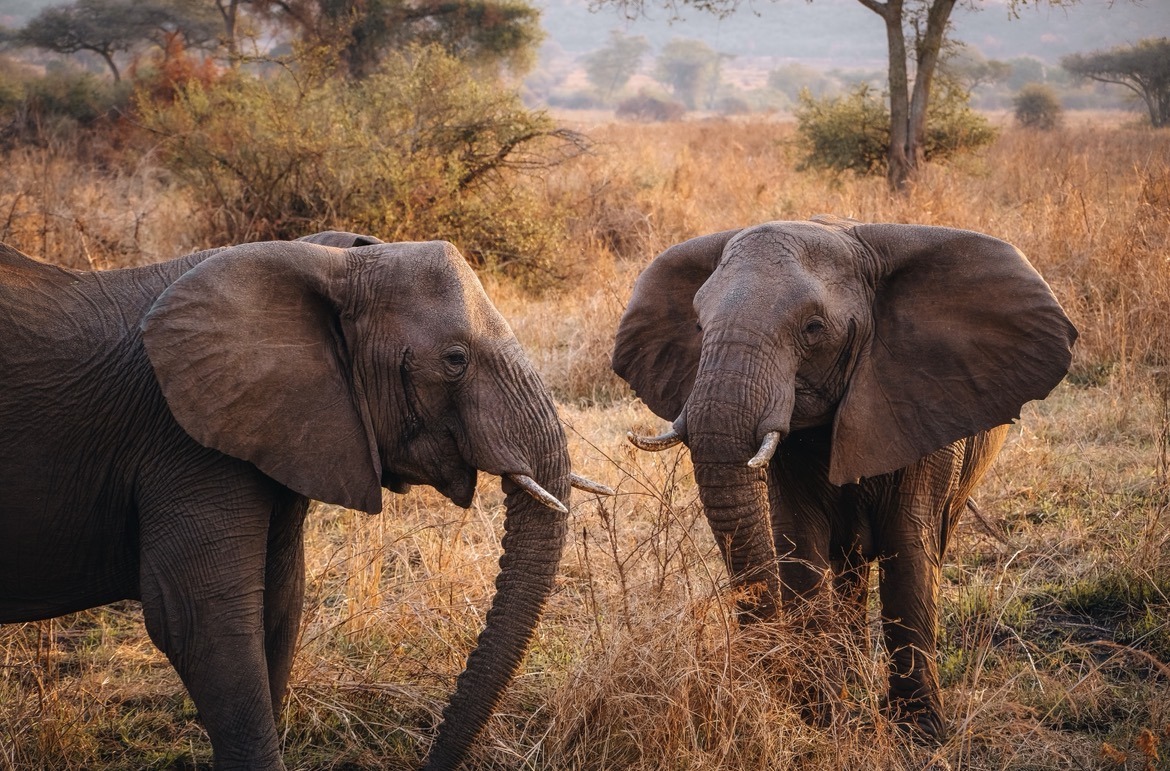
This is a major issue throughout India and you would be shocked at how many people actually still do this. These elephants have devastating living conditions, are often abused and kept in small enclosures. Supporting activities like this are extremely detrimental to the safety of the species.
Trust me, there are SO many other nature activities to do in India rather than riding an elephant or watching an elephant perform in a circus.
RIDING CAMELS

While this is a very popular activity throughout Rajasthan, in many cases the animals are treated very poorly. They are often times used for performances and entertainment.
Camels in India have been used in races and competitions to see how much weight they can carry on their backs. They are also used in camel beauty pageants where they are decorated, shaved and even have piercings done. This is extremely unnatural and stressful for the camels.
I have seen the distress of camels in Pushkar with my own eyes when I lived there. I would see dead camels on the side of the roads. Other camels would have extremely bad sores on their bodies and get beaten by their owners.
Riding camels through the desert just because everyone else does it is not an excuse to accept this kind of behavior. They are heavily exploited for the wildlife tourism in India. Once again, there are many other ways to experience the culture and nature of India that is not at the expense of wildlife.
UNETHICAL TIGER ENCOUNTERS

As much as India’s wildlife authority has tried to implement strict regulations on tiger encounters, there is a lot of unethical behavior amongst tourists and guides surrounding these beautiful animals.
Jeeps surrounding tigers in National Parks are not regulated enough. One tiger can have 10s of vehicles surrounding it, enclosing its path and causing great distress for the animal. It has actually been found that tigers near high traffic safari vehicle areas have higher stress hormones. They end up leaving their breeding grounds and escaping to a less protected area of the forest/National Park.
Tourists are also completely disrespectful towards tigers and disrupt their peace with destructive behavior like making noises and throwing food out the vehicle for the tigers to come closer. Guides are also accused of chasing tigers in National Parks at high speeds. This is not only stressful for the tigers but also dangerous for other animals and the tourists in the vehicle.
STREET PERFORMANCES

Be aware of unethical street performances such as snake charming – where cobras are confined in small boxes to entertain for profit, monkey street performances involving trained monkeys dancing for money, animal shows and crocodile parks that exploit animals for tourist revenue.
Engaging in these activities further helps the exploitation and mistreatment of these animals.
DO THIS INSTEAD…

Instead of riding elephants or camels, consider supporting ethical wildlife sanctuaries and conservation projects where the animals are protected in their natural habitats. These national parks and sanctuaries focus on rehabilitation and conservation. As well as promoting the well-being of the animals without exploiting them for tourism purposes. Supporting ethical wildlife tourism in India has immense positive impact on the animals, the environment, educating future generations, preserving eco-systems and the local communities.
I encourage you to conduct thorough research on these parks and sanctuaries before visiting. As many may claim to be ethical while still offering encounters that cause stress to the animals.
What I have found along all my years of nature travel, is that many wildlife experiences come to you so unexpectedly and so naturally. If you are out exploring the nature in India, whether it be the ocean, the forest, the mountains or the desert, you never know what wildlife you will encounter. I was in Vattakanal in South India and came across a family of WILD BISON in the middle of the forest (And slowly slowly backed away safely and quietly as that was the last thing I was expecting to see on my path!)
SPEAK UP…
If you are in a National Park on a tour and you ever feel uneasy about how a situation with wildlife is being handled, there is absolutely no shame in speaking up and stating respectful boundaries. My partner and I actually did this a lot throughout our Africa overlanding journey before our safari tours would even start. We would explain to our guide what we are happy to do and what we cannot accept doing when it comes to encountering wildlife so that we are all on the same page and can enjoy our tour with peace of mind.
A FEW QUESTIONS TO ASK YOURSELF BEFORE SUPPORTING A WILDLIFE TOUR OR ENTERING A NATIONAL PARK:

- Are the animals captive or free to roam wildly?
- Are the animals being treated in alignment with the 5 domains? (Nutrition, physical health, behavior, environment and mental domain.)
- Do the animals’ needs come first or the visitors?
- If it is a rescue centre/wildlife sanctuary for injured animals, what are the conditions of the facilities like?
- Do the animals have to perform or be unnecessarily confined in a space?
- Do the animals have a way to escape from the tourists if they want to?
- Are the number of vehicles around one animal/group of animals regulated? And do the guides stick to the rules of the park?
- Where do they get their animals from? Are they rescued from poachers, injured animals from the wild being rehabilitated or are they intentionally bought for tourism?
- What is the organization’s mission statement?
- Where does the money from tourism go?
- Is there a way to report unethical behavior and is something done about it after the report is made?
ETHICAL WILDLIFE TOURISM IN INDIA IS A NECESSITY…

Exploiting wildlife for our own benefits and entertainment is detrimental to the future of our natural world. If we educate children and lead by example when it comes to protecting and respecting wildlife then we can make a change for a better future. India has already implemented laws, rules and regulations when it comes to protecting wildlife. But the extent to which those rules are followed are still questionable. Especially in rural areas where captive animals and unregulated performances are not seen by wildlife authorities.
The more we exploit wildlife in India, the more their natural habitats face destruction and ecological disruption. If wildlife is not protected, the more illegal poaching and hunting becomes an issue. And the more the animals face distresses that endanger their lives and breeding habits.
As travelers, it is important to leave a positive impact on the environment and leave places as is or better than we found them.


YOU MAY ALSO LIKE:
- 10 REASONS WHY SUPPORTING LOCAL BUSINESSES WHILE TRAVELING IS IMPORTANT
- 10 ECO-FRIENDLY TRAVEL PRODUCTS: REDUCE YOUR FOOTPRINT AS A TRAVELER
- THE 14 MOST BEAUTIFUL NATURE DESTINATIONS IN INDIA




Leave a Reply